
Get Building Tuckpointing in Pittsburgh, PA
Building tuckpointing services help Pittsburgh property owners repair and restore brickwork by fixing cracked, damaged, or deteriorating mortar joints in residential and commercial projects.
Building tuckpointing services are essential for property owners in Pittsburgh, PA who want to preserve the structural integrity and appearance of their masonry. Whether maintaining historic buildings or ensuring the durability of new constructions, proper tuckpointing can help prevent water infiltration, reduce deterioration, and enhance curb appeal. Exploring local contractors with experience in tuckpointing provides an opportunity to compare approaches and find the right fit for specific project needs, ensuring that the work aligns with the unique characteristics of buildings in the Pittsburgh area.
For those planning masonry restoration or repair projects, understanding the options available from nearby service providers can make the decision-making process more straightforward. Local contractors often have insight into regional building styles and common challenges, making it easier to identify solutions tailored to Pittsburgh’s climate and architecture. Continuing to explore these options can help property owners select experienced professionals capable of delivering quality results that protect and improve their investments.
- Brick and Masonry Restoration - needed when mortar joints in Pittsburgh neighborhoods like Squirrel Hill or Lawrenceville show signs of deterioration.
- Historic Building Preservation - essential for maintaining the integrity of older structures in areas such as Shadyside or the North Side.
- Commercial Building Tuckpointing - required when commercial facades in Downtown Pittsburgh need aesthetic and structural repairs.
- Residential Masonry Repairs - appropriate for homeowners in suburbs like Mt. Lebanon or Fox Chapel seeking to restore their brick exteriors.
- Damage Repair after Weather Events - necessary when storms or freeze-thaw cycles cause mortar joints to crack or crumble in local communities.
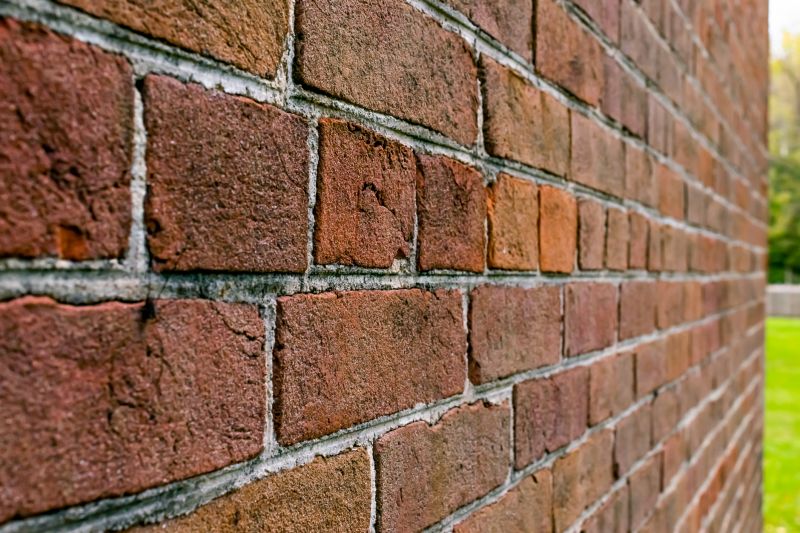
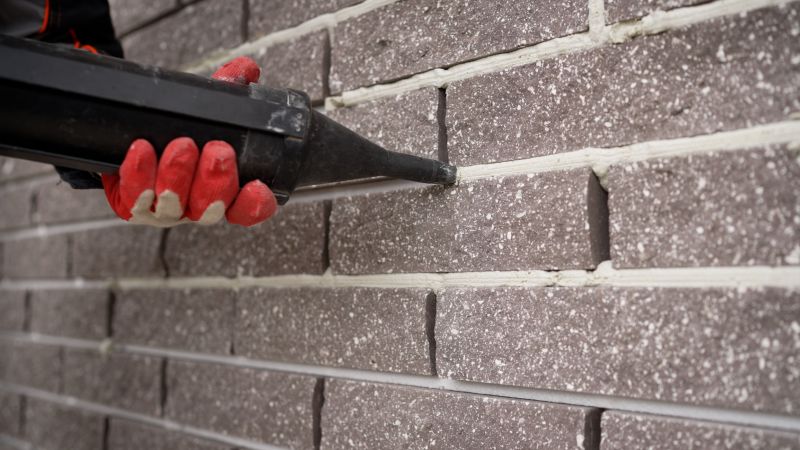
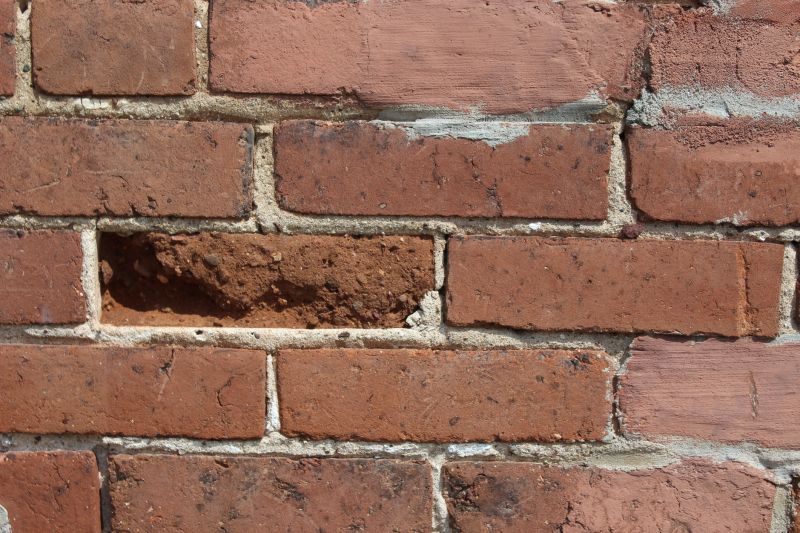
Building tuckpointing services involve the careful repair and restoration of mortar joints between bricks or stones in a building’s exterior walls. This process typically includes removing damaged or deteriorated mortar and replacing it with fresh, durable material. Tuckpointing helps improve the structural integrity of the masonry, preventing further damage caused by weather, moisture, or age. It is a precise craft that requires skill to ensure that the new mortar matches the existing in appearance and texture, maintaining the building’s aesthetic appeal while reinforcing its stability.
This service addresses common problems such as crumbling, cracked, or missing mortar, which can lead to water infiltration, frost damage, and overall weakening of the masonry structure. Over time, mortar can degrade due to exposure to harsh weather conditions like snow, rain, and temperature fluctuations. When mortar joints begin to deteriorate, it can result in loose bricks or stones, increasing the risk of structural issues or costly repairs. Tuckpointing restores the integrity of the walls, helping to prevent further damage and extend the lifespan of the property’s exterior.
Building tuckpointing services are often sought for historic homes, commercial buildings, apartment complexes, and townhouses that feature brick or stone facades. These properties typically have mortar joints that require periodic maintenance to preserve their appearance and structural soundness. Homeowners with older residences may notice visible cracks or gaps in the mortar, signaling that tuckpointing is needed. Similarly, property managers and building owners may opt for tuckpointing to maintain the value and safety of their structures, especially in areas prone to severe weather conditions such as Pittsburgh, PA.
Homeowners and property owners should consider tuckpointing when they observe signs of mortar deterioration, such as crumbling joints, loose bricks, or water stains on interior walls near the exterior. This service not only helps preserve the aesthetic charm of brickwork but also plays a vital role in protecting the building from moisture damage and structural weaknesses. When masonry appears aged or compromised, experienced local contractors can assess the condition of the mortar and recommend appropriate repairs. Contacting skilled professionals ensures that the work is performed correctly, maintaining the durability and appearance of the property for years to come.
The overview below groups typical Building Tuckpointing projects into broad ranges so you can see how smaller, mid-sized, and larger jobs often compare in Pittsburgh, PA.
In many markets, a large share of routine jobs stays in the lower and middle ranges, while only a smaller percentage of projects moves into the highest bands when the work is more complex or site conditions are harder than average.
Smaller Repairs - Typical costs for minor tuckpointing work on small sections of brickwork range from $250-$600. Many routine jobs fall within this middle range, depending on the size and accessibility of the area. Fewer projects reach the higher end of this spectrum.
Moderate Projects - Medium-sized tuckpointing jobs, such as restoring larger sections of a wall, usually cost between $600-$1,500. These projects are common for homeowners seeking to improve curb appeal or prevent further damage.
Large-Scale Restoration - Extensive tuckpointing or repairs on multiple walls can range from $1,500-$3,500. Larger, more complex projects may push beyond this range, especially if structural work is involved.
Full Replacement or Major Repairs - Complete rebuilding of mortar joints or extensive brickwork replacement can cost $3,500 and up, with larger projects reaching $5,000+ in some cases. These are less common and typically involve significant structural considerations.
Actual totals will depend on details like access to the work area, the scope of the project, and the materials selected, so use these as general starting points rather than exact figures.
Masonry Restoration - masonry restoration projects often require skills in brick and stone repair, similar to tuckpointing, to restore structural integrity and appearance.
Brick Repair and Replacement - replacing damaged bricks involves matching mortar and understanding bricklaying techniques, which are closely related to tuckpointing work.
Chimney Repointing - restoring chimney joints involves similar mortar work and planning as building tuckpointing, ensuring durability and weather resistance.
Stonework Restoration - working with natural stone and mortar in restoration projects shares techniques used in tuckpointing to improve stability and aesthetics.
Facade Cleaning and Restoration - cleaning and restoring building facades often involves mortar repair and surface preparation skills akin to tuckpointing.
Historic Building Preservation - preserving historic structures requires careful mortar matching and brickwork techniques similar to those used in tuckpointing services.
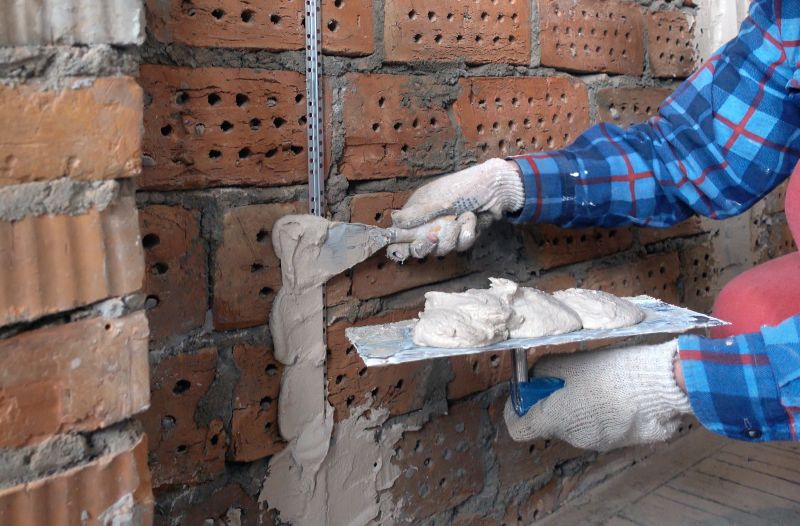
When comparing building tuckpointing services in the Pittsburgh area, it’s important to consider the experience of local contractors with similar projects. Homeowners should look for service providers who have a proven track record of handling tuckpointing work on structures comparable in size, age, and material to their own. Asking about past projects or requesting references can help gauge a contractor’s familiarity with the specific challenges that may arise during the job, ensuring the work is performed efficiently and effectively.
Clear, written expectations are essential when evaluating potential service providers. Homeowners should seek detailed descriptions of the scope of work, including what materials will be used, the steps involved, and any necessary preparations or follow-up. This transparency helps prevent misunderstandings and provides a basis for comparing different contractors’ approaches. Well-defined expectations also serve as a foundation for a smooth working relationship and can assist in addressing any concerns before the project begins.
Good communication and reputable references are key indicators of a trustworthy contractor. Service providers who are responsive, willing to answer questions, and provide straightforward information demonstrate professionalism and reliability. Additionally, speaking with previous clients or reviewing references can offer insights into the contractor’s work ethic, timeliness, and quality of craftsmanship. Homeowners should prioritize contractors who are transparent and easy to work with, as these qualities often lead to a more positive experience from initial contact through project completion.
Property owners in Pittsburgh, PA use Building Tuckpointing services for practical projects around their homes and businesses. This guide focuses on everyday jobs and straightforward project options.
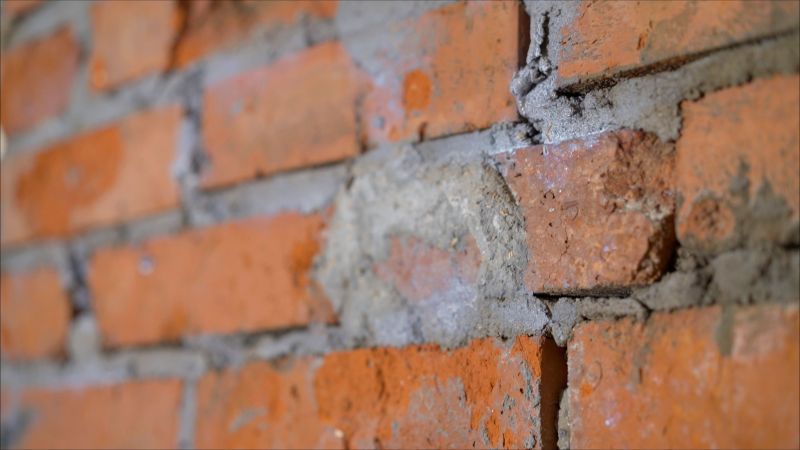
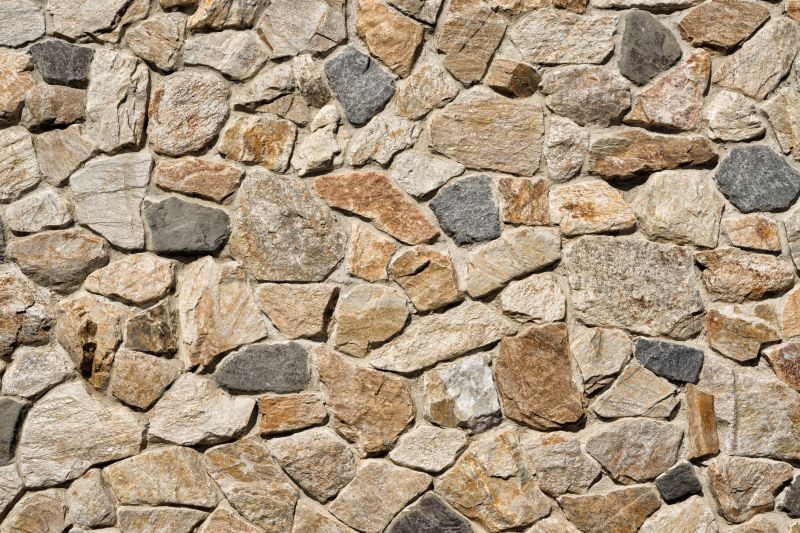
Building tuckpointing services are often sought after by property owners in Pittsburgh, PA, when they notice deteriorating mortar joints or cracks appearing in brick walls. These issues can be common in older buildings or homes exposed to the city’s varying weather conditions, leading owners to look for professionals who can restore the structural integrity and appearance of their masonry. Whether it's a historic downtown building or a residential brick facade, local contractors can provide the expertise needed to carefully repair and clean mortar joints, helping to prevent further damage and maintain the property's value.
Property owners might also seek tuckpointing services after noticing water infiltration or draft issues around brickwork. Over time, mortar can weaken or crumble, allowing moisture to seep in and cause damage to interior walls or foundations. In Pittsburgh’s climate, addressing these concerns promptly with the help of experienced service providers can be an important step in preserving a building’s condition. Local contractors are equipped to handle these projects efficiently, ensuring that brickwork remains durable and visually appealing for years to come.
What is tuckpointing and why is it important? Tuckpointing is a masonry repair technique that involves removing damaged mortar and replacing it to restore the structural integrity and appearance of brick or stone walls.
How can I tell if my building needs tuckpointing services? Signs include crumbling or cracked mortar, water infiltration, or visible gaps between bricks, indicating that professional assessment and repair may be needed.
What types of buildings typically require tuckpointing? Tuckpointing is commonly needed for historic buildings, brick homes, commercial properties, and other structures with masonry walls showing signs of deterioration.
Are there different styles or techniques of tuckpointing? Yes, various methods and mortar colors can be used to match the existing masonry, ensuring repairs blend seamlessly with the original structure.
How do I find experienced contractors for tuckpointing in Pittsburgh? Local service providers specializing in masonry repair can be contacted through lead generation sites to compare options and connect with qualified contractors in the area.
Restoring Masonry Appearance - Tuckpointing can improve the visual appeal of brickwork on residential or commercial buildings by replacing worn or damaged mortar.
Preventing Water Damage - Proper tuckpointing helps seal mortar joints to keep water from seeping into walls, protecting the structure during heavy rains or snow.
Maintaining Structural Integrity - Regular tuckpointing can help preserve the stability of brick and stone walls by addressing cracks and deterioration early.
Enhancing Property Value - Investing in tuckpointing services can boost curb appeal and overall value by keeping masonry in good condition.
If you are thinking about Building Tuckpointing for a property in Pittsburgh, PA, this guide is meant to help you understand the work, the typical project types, and how different options might fit your plans.
When you are ready, you can use the quote form on this page to share a few details about your project. From there, local pros can review the basics and respond with options that match what you have in mind.