
Get Stone Tuckpointing in Pittsburgh, PA
Stone tuckpointing services offered by local contractors in Pittsburgh help repair and restore brickwork, fix mortar deterioration, and prevent structural issues in residential and commercial buildings.
Stone tuckpointing is an essential service for property owners in Pittsburgh, PA looking to preserve the integrity and appearance of their masonry structures. Whether maintaining historic buildings, restoring aging brickwork, or preventing structural issues, professional tuckpointing can help extend the lifespan of a property’s exterior. Exploring local contractors who specialize in this work can provide options suited to specific project needs, ensuring that the craftsmanship aligns with the unique architectural styles found throughout Pittsburgh neighborhoods.
For those planning masonry projects or seeking to address existing wear and damage, understanding the range of services available is a practical step. Comparing local service providers can help property owners find experienced professionals capable of handling tuckpointing with attention to detail and quality. Keep reading to learn more about how local contractors can assist in maintaining and enhancing the durability and aesthetic appeal of masonry surfaces.
- Brick wall restoration - needed when mortar joints are crumbling or deteriorating in historic or residential brick facades.
- Chimney repointing - required when mortar between chimney bricks becomes cracked or loose, especially in older Pittsburgh neighborhoods.
- Foundation repair - necessary when settlement or cracking affects the stability of basement or foundation walls.
- Exterior masonry maintenance - important for preserving the appearance and integrity of building exteriors in commercial or residential properties.
- Stone facade restoration - appropriate when natural stone surfaces show signs of weathering, erosion, or mortar deterioration.
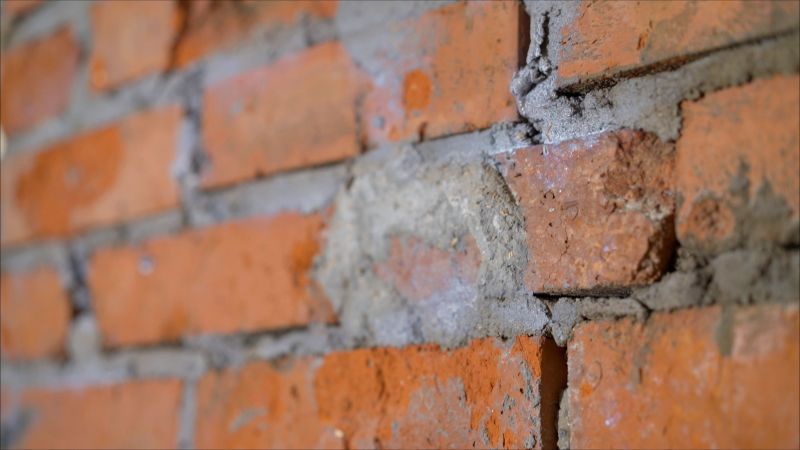
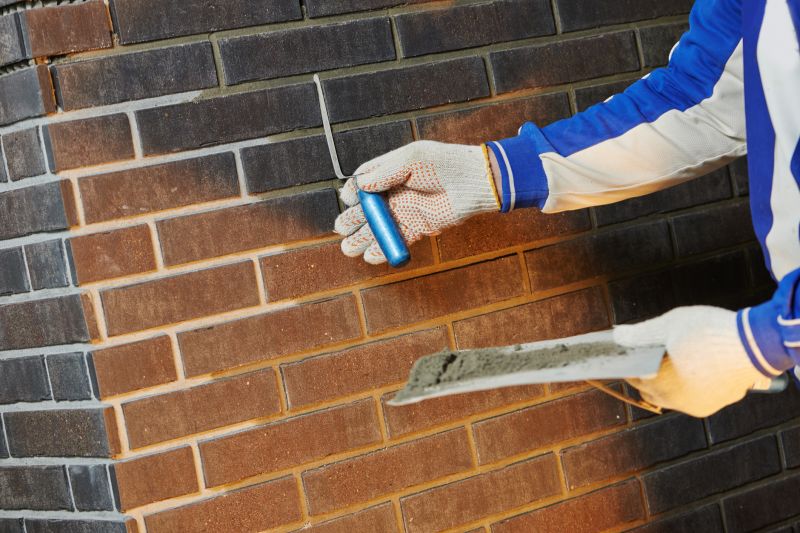
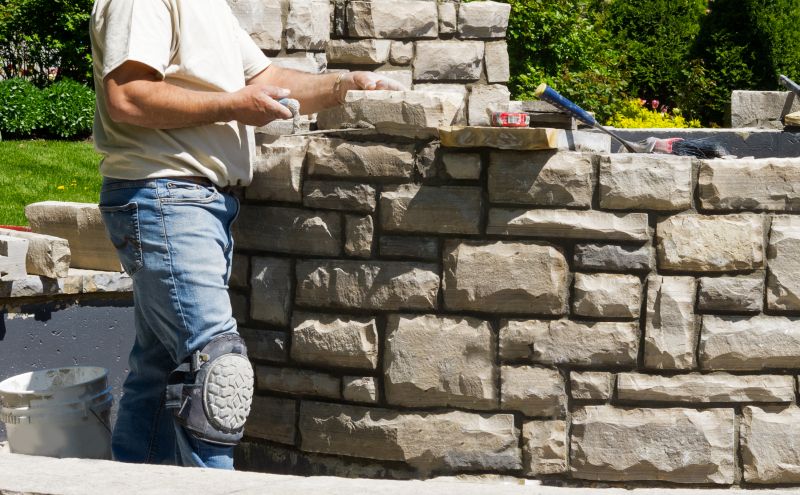
Stone tuckpointing is a specialized masonry service focused on repairing and restoring the mortar joints between stones and bricks on a building’s exterior. Over time, mortar can deteriorate due to weather exposure, moisture infiltration, or age, leading to cracks, crumbling, or gaps. Tuckpointing involves carefully removing the damaged mortar and replacing it with fresh, durable material to restore the structural integrity and appearance of the masonry. This process not only improves the look of a property but also helps protect it from further damage caused by water infiltration or shifting stones.
Many property owners seek stone tuckpointing services when they notice signs of mortar deterioration, such as crumbling joints, loose stones, or visible cracks. These issues can compromise the stability of the masonry and lead to more serious structural problems if left unaddressed. Tuckpointing is also a popular choice for preserving historic buildings, where maintaining the original appearance is important. Regular maintenance or timely repairs can prevent costly replacements later on, making it a practical solution for homeowners wanting to extend the lifespan of their stone or brick exteriors.
This service is commonly used on a variety of properties, including residential homes, historic buildings, commercial storefronts, and institutional structures. Older homes with original stone or brick exteriors often benefit from tuckpointing to keep their facades looking authentic and well-maintained. Commercial properties and public buildings with stone or brick facades also rely on tuckpointing to uphold their aesthetic appeal and structural stability. Whether a property is located in Pittsburgh, PA, or nearby areas, local contractors can evaluate the condition of the masonry and recommend the appropriate repairs to keep the exterior sound and visually appealing.
Homeowners who notice crumbling mortar, gaps between stones, or water stains on their exterior walls should consider professional tuckpointing services. This process is essential when signs of mortar decay threaten the integrity of the masonry or affect the overall appearance of the property. By partnering with experienced service providers, property owners can ensure that their stone or brick exteriors are properly restored, helping to protect their investment and preserve the character of their buildings. Contacting local contractors can provide the expertise needed to address these issues effectively and keep masonry structures in good condition.
The overview below groups typical Stone Tuckpointing projects into broad ranges so you can see how smaller, mid-sized, and larger jobs often compare in Pittsburgh, PA.
In many markets, a large share of routine jobs stays in the lower and middle ranges, while only a smaller percentage of projects moves into the highest bands when the work is more complex or site conditions are harder than average.
Smaller Repairs - For minor tuckpointing needs, local contractors typically charge between $250 and $600. Many routine patch jobs fall within this range, depending on the extent of the work and the size of the area.
Medium-Size Projects - Larger, more involved tuckpointing projects often cost between $600 and $2,500. These jobs might include restoring entire sections of brickwork or addressing multiple areas on a building.
Full Wall Restoration - Complete tuckpointing of an entire wall or façade can range from $2,500 to $5,000 or more. Many projects of this scope tend to fall into the higher end of the range, especially if structural repairs are needed.
Complex or Historic Restorations - Highly detailed or historic stone and brickwork restorations can exceed $5,000, depending on the complexity and scope. Fewer projects reach this tier, but local pros can handle these specialized jobs.
Actual totals will depend on details like access to the work area, the scope of the project, and the materials selected, so use these as general starting points rather than exact figures.
Masonry Restoration - Local contractors skilled in masonry restoration work often use similar techniques and tools as stone tuckpointing to repair and restore historic brick and stone structures.
Brick Repair and Repointing - Professionals experienced in brick repair utilize similar planning and skill sets as stone tuckpointing to replace damaged mortar and improve structural integrity.
Stone Wall Construction - Building or repairing stone walls requires knowledge of stone placement and mortar application, aligning with the skills used in tuckpointing projects.
Chimney Repair and Restoration - Chimney restoration involves repointing mortar joints and working with masonry materials, making it related to stone tuckpointing skills.
Facade Cleaning and Restoration - Cleaning and restoring building facades with stone or brick surfaces often involves techniques similar to tuckpointing to preserve or enhance exterior appearance.
Concrete Repair and Resurfacing - While primarily different materials, concrete repair projects require planning and surface preparation skills comparable to those used in stone and mortar work.
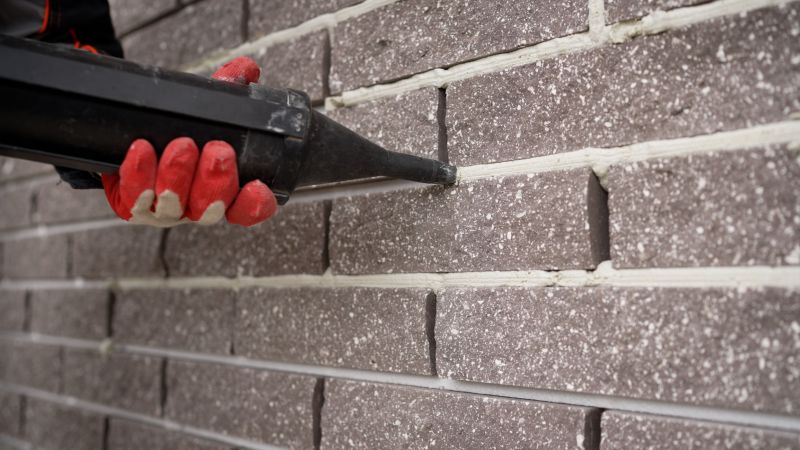
When evaluating stone tuckpointing services in the Pittsburgh area, it’s important to consider the experience of local contractors with similar projects. Homeowners should look for service providers who have a proven track record of handling tuckpointing work on structures like historic brick facades, chimneys, or retaining walls. Asking about the types of projects they have completed can provide insight into their familiarity with the specific challenges and techniques required for quality results. Experienced contractors are more likely to understand the nuances of proper mortar matching, brickwork repair, and the overall process needed to restore and protect masonry features effectively.
Clear, written expectations are essential to ensure that both the homeowner and the service provider are on the same page. When comparing local pros, it’s helpful to request detailed descriptions of the scope of work, materials to be used, and any guarantees or warranties offered. This transparency helps prevent misunderstandings and provides a basis for evaluating proposals objectively. A reputable contractor will be willing to provide comprehensive written estimates that outline each step of the process, allowing homeowners to make informed decisions based on the specifics of the project.
Good communication and reputable references are key indicators of a reliable stone tuckpointing service provider. Homeowners should seek out local contractors who are responsive and willing to answer questions thoroughly, demonstrating professionalism and a commitment to customer service. Additionally, asking for references from previous clients or viewing examples of completed work can help gauge the quality of craftsmanship and overall satisfaction. While this site introduces homeowners to local options, it’s important to remember that the actual work is performed by skilled service providers who can meet these criteria, ensuring the job is handled with expertise and care.
Property owners in Pittsburgh, PA use Stone Tuckpointing services for practical projects around their homes and businesses. This guide focuses on everyday jobs and straightforward project options.
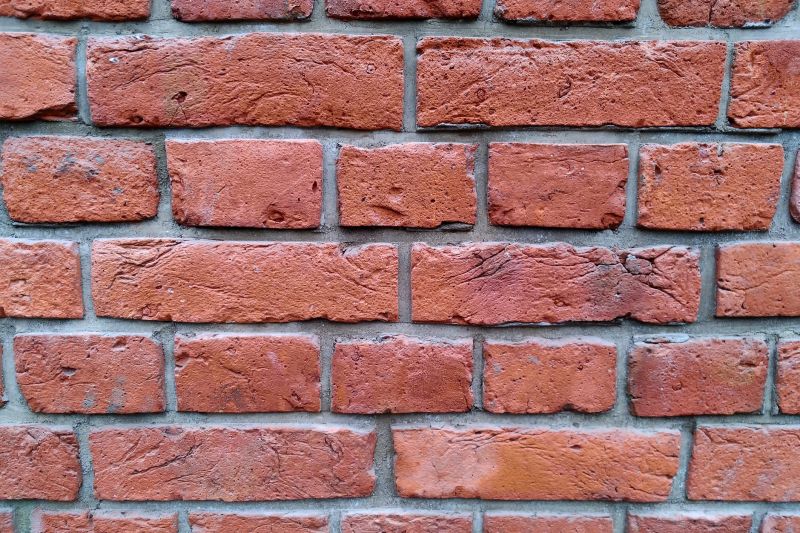
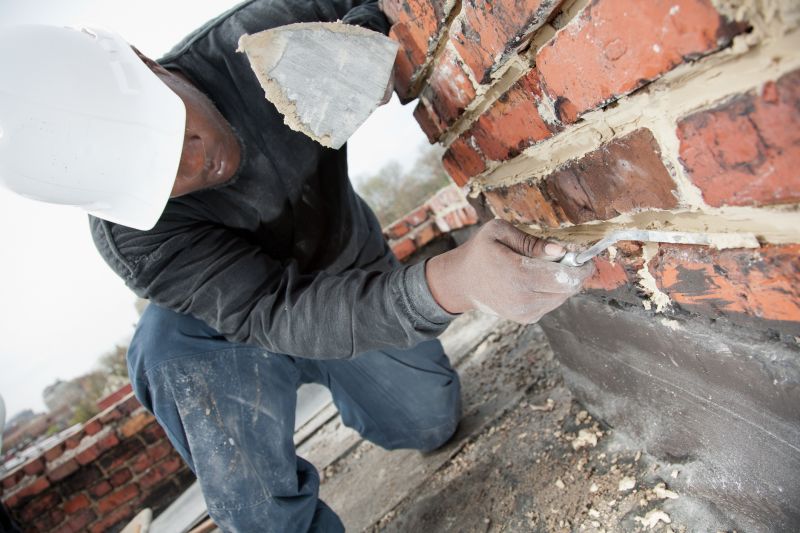
Stone tuckpointing services are often sought by property owners in Pittsburgh, PA who notice deteriorating mortar joints or crumbling brickwork on their buildings. Whether it's a historic home needing preservation or a commercial property showing signs of wear, local contractors can help restore the structural integrity and appearance of masonry surfaces. These projects are common when weather conditions, such as harsh winters or seasonal temperature changes, cause mortar to crack or fall out, making repairs a priority to prevent further damage.
Additionally, property owners may look for tuckpointing services when preparing a building for sale or simply wanting to improve curb appeal. Cracked or discolored mortar can detract from the overall look of a property, and professional tuckpointing can refresh the exterior. Local service providers can handle routine maintenance or more extensive repairs to keep masonry structures safe and visually appealing, especially in neighborhoods where historic architecture is prevalent and requires careful restoration.
What is tuckpointing for stonework? Tuckpointing involves restoring or repairing the mortar joints between stones to improve appearance and structural integrity.
How do local contractors handle tuckpointing projects? They typically assess the condition of the mortar, remove damaged mortar, and carefully replace it to match the existing stonework.
Can tuckpointing help prevent future stone damage? Yes, properly performed tuckpointing can protect stones from water infiltration and weather-related deterioration.
What types of stone surfaces are suitable for tuckpointing? Tuckpointing is suitable for various stone types, including brick, limestone, and sandstone, depending on the condition of the mortar joints.
Why hire local contractors for tuckpointing services? Local service providers have experience with regional building styles and weather conditions, ensuring quality work tailored to the area.
Improve Curb Appeal - Stone tuckpointing can enhance the appearance of a home's exterior by restoring the mortar joints between bricks or stones, giving the property a fresh look.
Prevent Structural Damage - Addressing cracked or deteriorated mortar helps protect the foundation and walls from water infiltration and further damage.
Prepare for Selling a Property - Repointing can make a building more attractive to potential buyers by ensuring the masonry looks well-maintained and solid.
Restore Historic Features - For older buildings, tuckpointing helps preserve original masonry details, maintaining the property's character and value.
If you are thinking about Stone Tuckpointing for a property in Pittsburgh, PA, this guide is meant to help you understand the work, the typical project types, and how different options might fit your plans.
When you are ready, you can use the quote form on this page to share a few details about your project. From there, local pros can review the basics and respond with options that match what you have in mind.