
Get Masonry Tuckpointing in Pittsburgh, PA
Masonry tuckpointing services offered by local contractors in Pittsburgh help repair cracked or deteriorating mortar joints, restoring structural integrity and improving the appearance of brick and stone walls.
Masonry tuckpointing is a practical service that helps preserve and restore the integrity of brick and stone structures in Pittsburgh, PA. Property owners may consider this work to address issues like cracked or deteriorating mortar joints, which can impact both the appearance and stability of a building. Whether maintaining historic facades or ensuring the longevity of a commercial or residential property, exploring local contractors who specialize in tuckpointing can provide valuable options for planning upcoming projects.
By comparing local service providers, property owners can find experienced professionals equipped to handle a variety of masonry needs. Tuckpointing not only enhances curb appeal but also contributes to the structural durability of walls and facades. Continuing to read can help identify qualified contractors in the Pittsburgh area, making it easier to gather information and choose the right team for your masonry restoration needs.
- Masonry Tuckpointing - needed when mortar joints in brick or stone walls become cracked or deteriorated.
- Historic Building Restoration - required to preserve the integrity of older structures in neighborhoods like Shadyside or Squirrel Hill.
- Brick Wall Repairs - necessary when visible mortar damage affects the stability of fences, facades, or retaining walls.
- Chimney Repointing - essential for maintaining safety and preventing leaks in fireplaces and outdoor chimneys.
- Structural Masonry Work - needed to reinforce or rebuild damaged or settling masonry foundations and load-bearing walls.
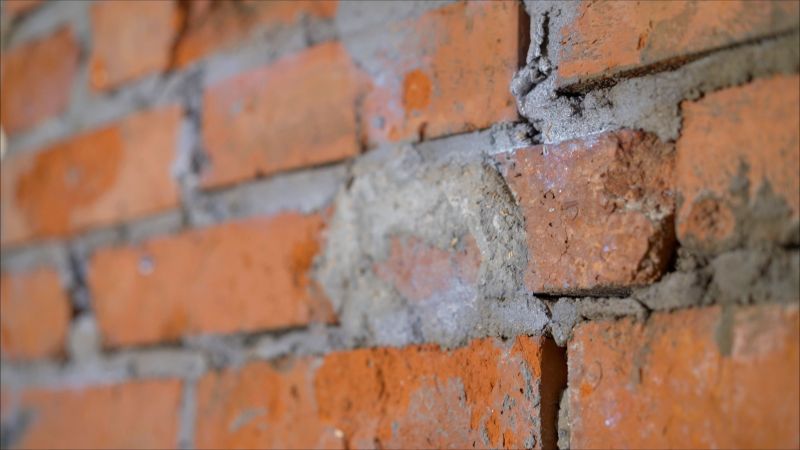
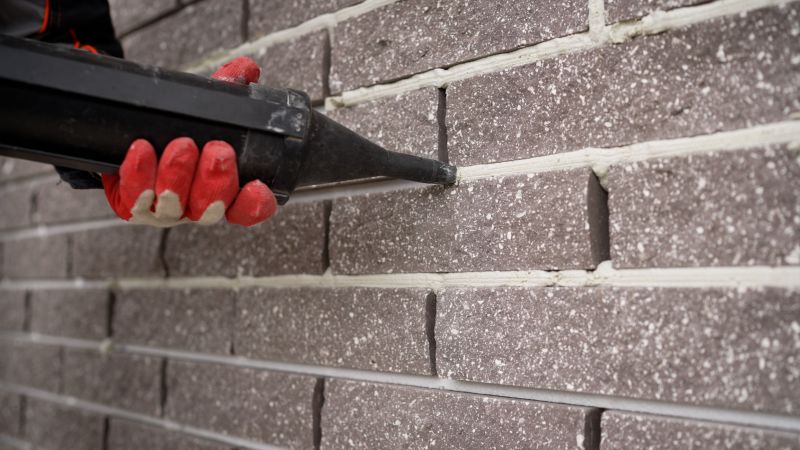
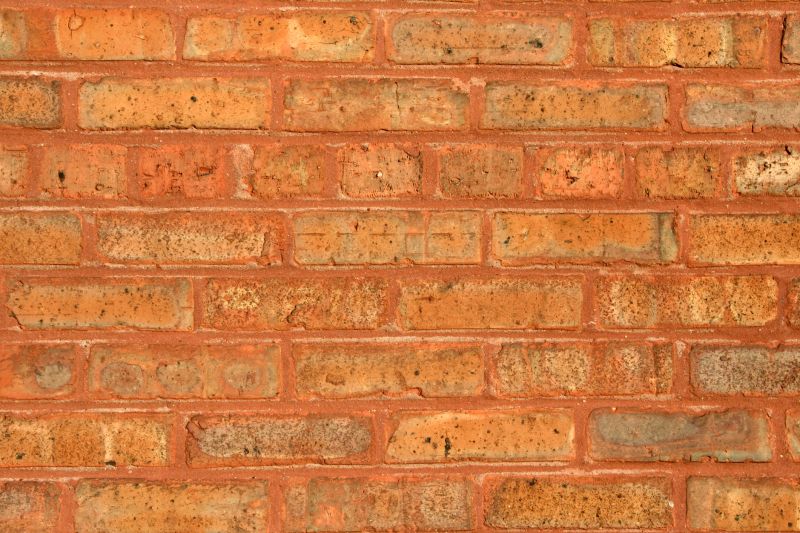
Masonry tuckpointing services involve repairing and restoring the mortar joints between bricks, stones, or blocks in a structure’s exterior. Over time, exposure to weather, temperature changes, and general aging can cause mortar to crack, crumble, or deteriorate. Tuckpointing typically includes removing damaged mortar and carefully filling the joints with fresh material, which helps maintain the structural integrity and appearance of the masonry. This process is essential for preserving the stability of walls, chimneys, and other masonry features, preventing further damage that could lead to costly repairs down the line.
This service is particularly useful for addressing common problems such as crumbling mortar, cracks, and gaps that develop in the joints of brickwork or stonework. These issues can allow water infiltration, which may cause internal damage or mold growth, and can weaken the overall structure over time. Tuckpointing helps seal these vulnerable areas, reducing the risk of water penetration and further deterioration. It also improves the visual appeal of a property by restoring the clean, sharp lines of the original masonry, making it look well-maintained and attractive.
Properties that often require tuckpointing include historic buildings, residential homes, commercial storefronts, and institutional structures. Older homes with brick exteriors are especially prone to mortar deterioration and benefit from regular tuckpointing to extend their lifespan. Commercial buildings and public facilities also use this service to uphold their appearance and structural safety. Whether it’s a single-family house or a multi-story brick building, local contractors can provide the necessary expertise to perform tuckpointing effectively, ensuring the longevity and integrity of the masonry work.
Homeowners typically consider masonry tuckpointing services when noticing signs of mortar damage, such as crumbling joints, loose bricks, or water leaks inside the property. If the exterior brickwork looks uneven, discolored, or shows visible cracks, it may be time to have a professional evaluate the condition of the mortar. Addressing these issues early with tuckpointing can prevent more extensive repairs later, helping to maintain the safety and value of the property. Local service providers can assess the situation and recommend the appropriate repair solutions to keep masonry in solid condition.
The overview below groups typical Masonry Tuckpointing projects into broad ranges so you can see how smaller, mid-sized, and larger jobs often compare in Pittsburgh, PA.
In many markets, a large share of routine jobs stays in the lower and middle ranges, while only a smaller percentage of projects moves into the highest bands when the work is more complex or site conditions are harder than average.
Smaller Repairs - minor tuckpointing or crack repairs typically cost between $250 and $600 for many residential projects. These jobs often involve patching small areas of mortar and are common in routine maintenance. Many local pros handle these within the middle of this range.
Medium-Scale Projects - larger sections of brickwork or extensive mortar restoration usually fall in the $600-$2,000 range. These projects may include multiple walls or areas requiring detailed work and are a common scope for many homeowners.
Large or Complex Jobs - extensive tuckpointing on entire facades or historic restorations can range from $2,000 to $5,000 or more. Fewer projects reach into this tier, often involving detailed craftsmanship and significant labor.
Full Masonry Replacement - complete removal and replacement of masonry can exceed $10,000 depending on size and complexity. These are typically larger projects undertaken by specialized contractors and are less common for standard repairs.
Actual totals will depend on details like access to the work area, the scope of the project, and the materials selected, so use these as general starting points rather than exact figures.
Brickwork Restoration - professionals skilled in repairing and restoring brick structures, which requires similar masonry and planning techniques as tuckpointing.
Chimney Repair - involves masonry work and crack repair that relies on precise tuckpointing skills to ensure structural integrity and appearance.
Stone Wall Construction - requires careful planning and masonry tools comparable to those used in tuckpointing to build durable stone features.
Fireplace Renovation - involves masonry repairs and surface finishing that align with the skills used in tuckpointing to enhance both function and aesthetics.
Foundation Crack Repair - entails identifying and addressing mortar and brick joint issues similar to tuckpointing to stabilize and reinforce foundations.
Facade Restoration - includes cleaning, repairing, and restoring masonry exteriors, requiring techniques comparable to those used in tuckpointing services.
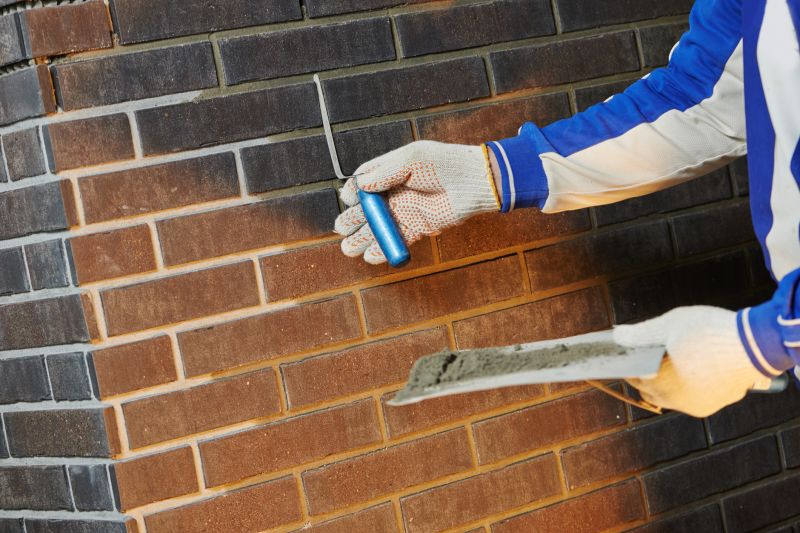
When evaluating masonry tuckpointing service providers in the Pittsburgh area, it’s important to consider their experience with similar projects. Homeowners should inquire about how long a contractor has been working on tuckpointing jobs and whether they have handled projects comparable in size and scope. An experienced professional will likely have a better understanding of the specific techniques and materials needed for durable results, especially when working on historic or uniquely constructed masonry. This background can provide added confidence that the work will be performed with skill and attention to detail.
Clear, written expectations are essential in ensuring that both the homeowner and the contractor are aligned on the project’s scope and deliverables. Service providers should be willing to provide detailed estimates or proposals that outline the work to be done, including the extent of the tuckpointing, the materials to be used, and any necessary preparation or cleanup. Having these expectations documented helps prevent misunderstandings and provides a reference point throughout the project, making it easier to address any questions or concerns that may arise during the process.
Reputable references and good communication are key indicators of a reliable masonry contractor. Homeowners should ask for references from previous clients who had similar work completed, and follow up to learn about their experiences. Additionally, a professional contractor should be responsive, transparent, and willing to answer questions throughout the process. Effective communication helps ensure that expectations are understood and that any issues are addressed promptly. It’s also beneficial to choose service providers who are known for their professionalism and clarity, as this can contribute to a smoother, more predictable project experience.
Property owners in Pittsburgh, PA use Masonry Tuckpointing services for practical projects around their homes and businesses. This guide focuses on everyday jobs and straightforward project options.
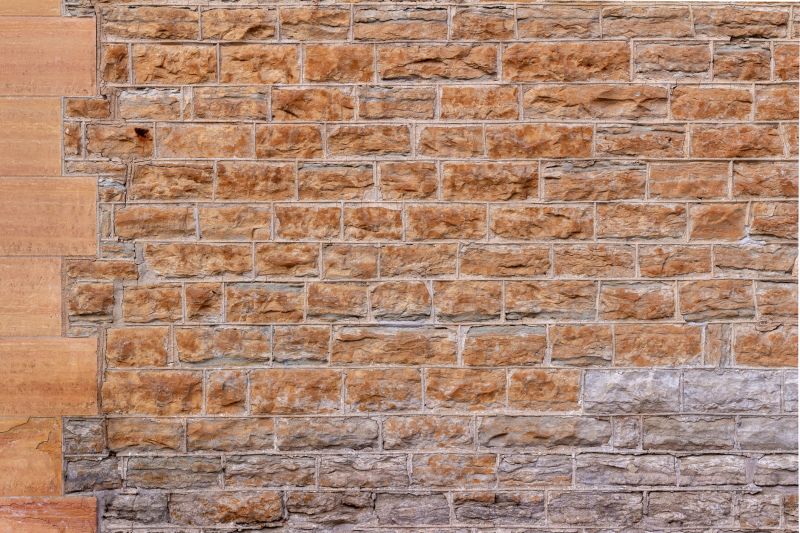
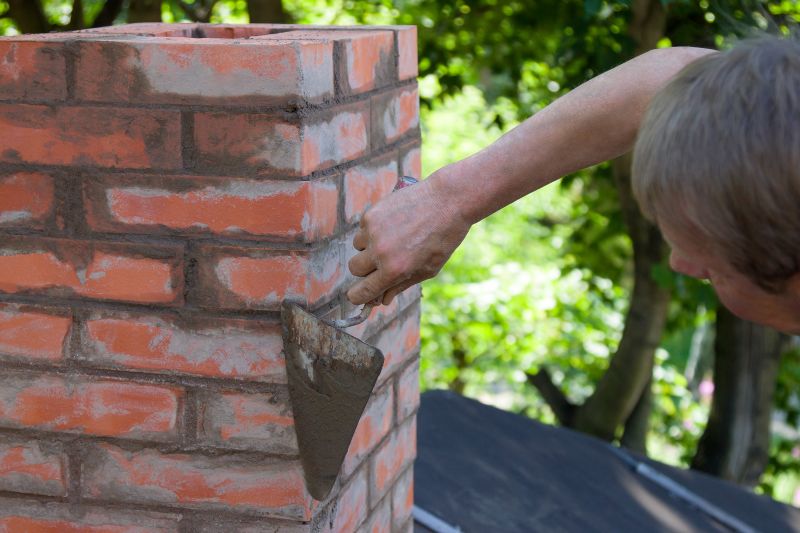
Masonry tuckpointing services are often sought after by property owners in Pittsburgh, PA, when mortar joints between bricks or stones begin to show signs of deterioration. Common issues include crumbling mortar, cracks, or gaps that can compromise the structural integrity and appearance of a building’s exterior. Homeowners and business owners may consider tuckpointing to restore the look of their brickwork, prevent further damage from moisture infiltration, and preserve the value of their property.
In many cases, property owners turn to local contractors for tuckpointing when they notice weather-related wear or aging mortar that no longer provides a tight seal. This work is also frequently needed after years of exposure to Pittsburgh’s seasonal temperature changes, which can cause mortar to expand and contract, leading to cracks. Engaging experienced service providers can help address these everyday project situations efficiently, ensuring the brickwork remains stable and visually appealing.
What is tuckpointing in masonry? Tuckpointing is a masonry repair technique that involves removing damaged mortar and replacing it to restore the appearance and integrity of brick or stone walls.
Why is tuckpointing important for brick structures? Tuckpointing helps prevent water infiltration, reduces the risk of structural damage, and maintains the aesthetic appeal of brick or stone surfaces.
How do local contractors perform tuckpointing services? Skilled masonry professionals carefully remove deteriorated mortar, clean the joints, and apply new mortar to ensure a durable and seamless repair.
What signs indicate that tuckpointing may be needed? Visible cracks, crumbling mortar, or gaps between bricks are common signs that tuckpointing services might be necessary to preserve the structure.
Can tuckpointing be done on historic or older buildings? Yes, experienced service providers can perform tuckpointing on historic or older buildings, often using techniques that match the original mortar for a consistent look.
Restore Brickwork - Masonry tuckpointing can improve the appearance of worn or cracked brick surfaces on homes and commercial buildings in Pittsburgh.
Repair Foundation Walls - Local contractors can use tuckpointing to address cracks or damage in foundation walls, helping to maintain structural stability.
Upgrade Chimneys - Tuckpointing services can refresh and strengthen chimneys that have deteriorated over time, ensuring safety and functionality.
Enhance Curb Appeal - Property owners can use tuckpointing to give their building exterior a clean, well-maintained look that boosts overall curb appeal.
If you are thinking about Masonry Tuckpointing for a property in Pittsburgh, PA, this guide is meant to help you understand the work, the typical project types, and how different options might fit your plans.
When you are ready, you can use the quote form on this page to share a few details about your project. From there, local pros can review the basics and respond with options that match what you have in mind.